

Designing for Carbon Neutrality

Today, we will discuss carbon neutrality and design. As environmental issues gain increasing attention as a major societal concern, many companies are developing products with the goal of achieving carbon neutrality.
In line with this trend, consumers are also becoming more conscious of environmental protection and actively engaging in sustainable practices. In this article, we will explore the types of products companies are developing to support carbon neutrality and how design is being utilized to achieve this goal.
1. What is Carbon Neutrality?

Carbon neutrality refers to balancing out carbon dioxide emissions from human activities, ultimately reducing net carbon emissions to zero. Simply put, it is the process of reducing or eliminating greenhouse gas emissions that contribute to global warming, making it one of the key objectives in combating climate change.
2. How Companies Are Practicing Carbon Neutrality
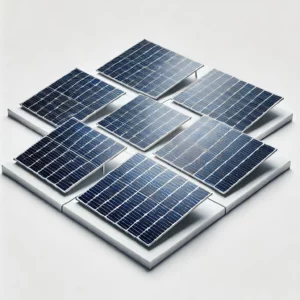
Most companies are striving to improve energy efficiency across their operations to reduce carbon emissions. They employ various strategies, such as adopting automated systems and minimizing unnecessary energy consumption, to lower overall energy use.
However, not all companies have the capability to fully transition to renewable energy or implement advanced technologies. As a result, product development companies focus on selecting materials that lower carbon emissions during manufacturing and prioritizing the development of sustainable products.
3. Companies and Products Advancing Carbon Neutrality
(1) Fairphone
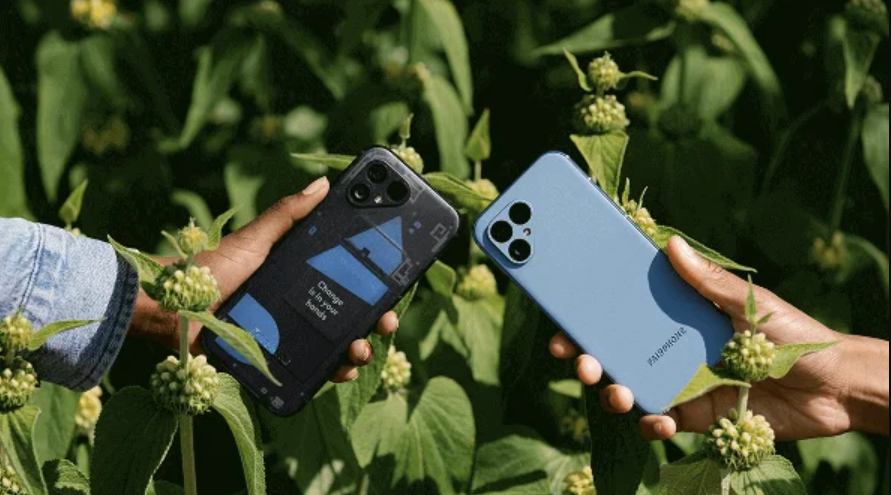
Introduction
Fairphone is a Dutch company specializing in ethical and sustainable electronics manufacturing. It is widely recognized among those interested in environmental protection and carbon neutrality.
Fairphone’s mission is to develop and manufacture smartphones in a fair and sustainable way, addressing both social and environmental challenges throughout the production process.
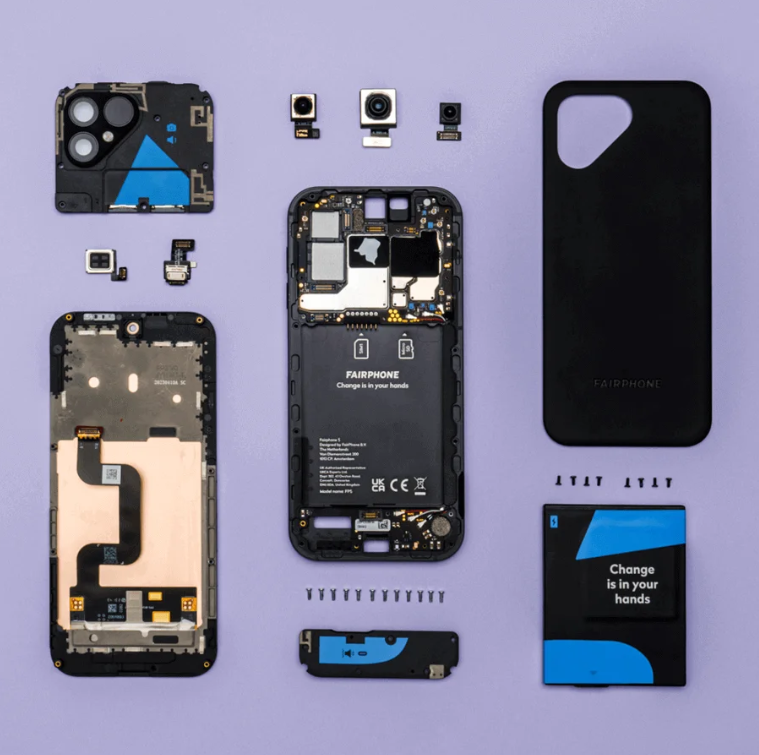
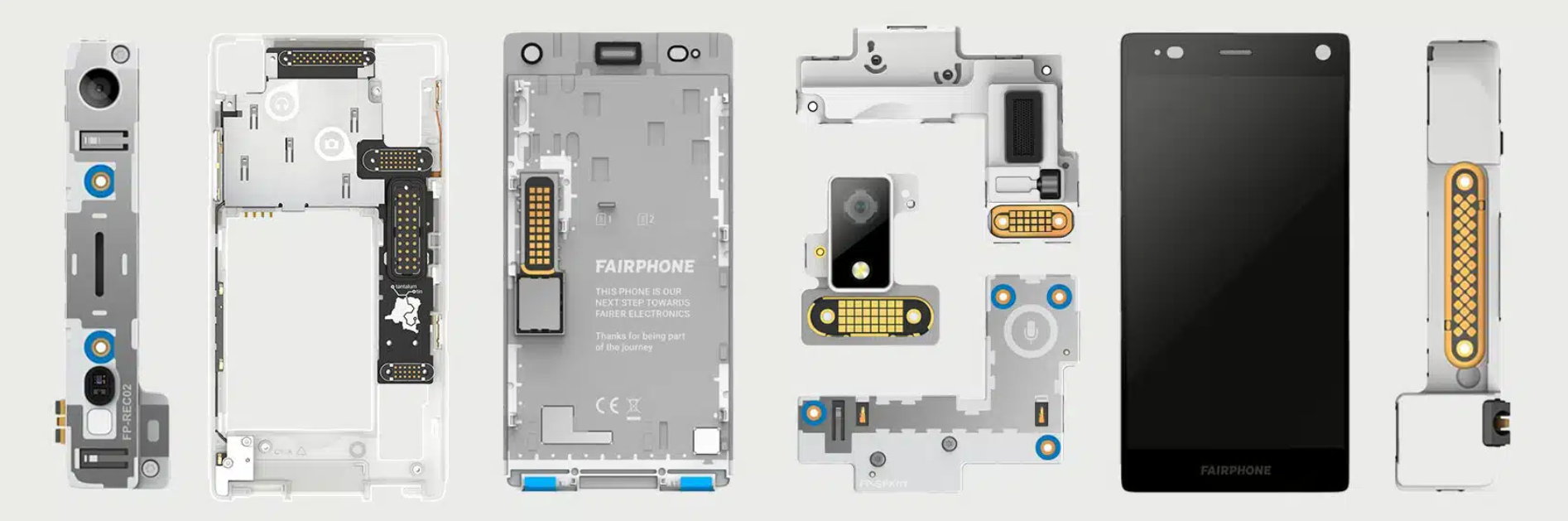
One of Fairphone’s key innovations is its modular smartphone design, which allows users to easily replace and repair individual components. This approach significantly reduces electronic waste and extends product lifespan, ultimately minimizing the carbon footprint—a core value of Fairphone.
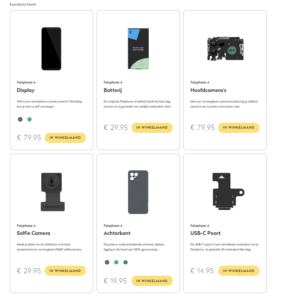
If you visit Fairphone’s website, you’ll see that various smartphone components are available for purchase. Since modern smartphones are typically not designed for easy repairs, most people have never had the experience of buying and assembling individual phone parts themselves.
In the second image, you’ll notice that the battery is removable, similar to older phone models. Fairphone chose a removable battery because smartphone batteries generally last around two years.
Today, most smartphones have built-in batteries, which often forces consumers to replace their entire phone once the battery life declines. To address this issue and reduce electronic waste, Fairphone designed its phones with removable batteries, allowing users to extend their device’s lifespan up to five years through simple battery replacements.
Key Features
Fairphone prioritizes fair trade-certified materials and sustainable design, setting higher ethical standards in smartphone manufacturing.
From a design perspective, Fairphone employs a modular structure, enabling users to easily replace and repair components. This approach reflects the company’s commitment to reducing electronic waste and extending product lifespan, aligning with its sustainability-driven design philosophy.
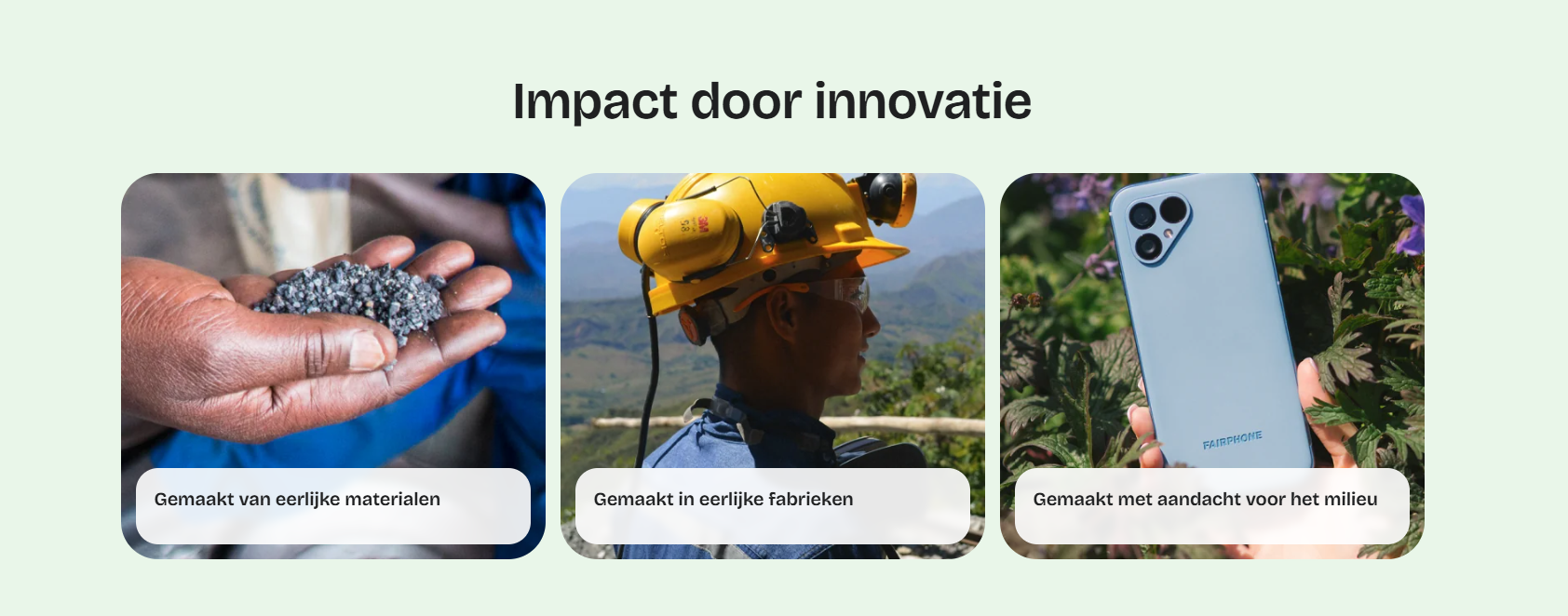
The key materials used in Fairphone’s smartphone production—tin, tungsten, tantalum, and gold—are ethically sourced, ensuring that they are not mined from conflict zones. This practice helps prevent unethical trade practices within the supply chain.
Fairphone’s design philosophy integrates fair trade principles with environmental responsibility, maximizing both product lifespan and recyclability. Through this approach, Fairphone is successfully advancing sustainable technology while promoting ethical manufacturing practices.
Sources_fairphone(https://www.fairphone.com)
Fair Trade Certification ensures that producers and workers receive fair wages and that products are manufactured ethically and sustainably. This global certification guarantees that production processes follow socially responsible and environmentally friendly practices.
Products with this certification bear the Fairtrade or WFTO (World Fair Trade Organization) mark, so be sure to look for these labels when making purchases.
(2) Paper Shoot
Sources_Papershoot (https://www.papershoot.com)
Introduction
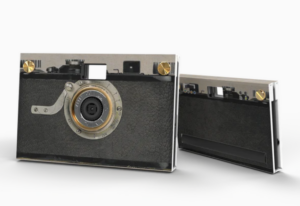
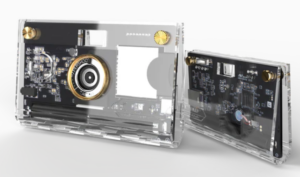
Paper Shoot is an eco-friendly camera brand from Taiwan, often referred to as the “paper camera” due to its unique design. However, instead of the entire camera being made of paper, only the outer casing is crafted from sustainable materials such as paper, bamboo, and recycled plastic.
Sources_Papershoot (https://www.papershoot.com)
Paper Shoot was founded with the goal of reviving the joy of photography through a simple and intuitive experience, rather than relying on increasingly complex digital technology.
By eliminating unnecessary features and focusing on minimalist usability and intuitive design, Paper Shoot retains the convenience of digital photography while incorporating an analog aesthetic, earning praise for its innovative approach.
Key Features
One of Paper Shoot’s most distinctive features is its ultra-thin and lightweight design, intentionally crafted to enhance portability and user experience as a minimalist alternative to traditional bulky cameras.
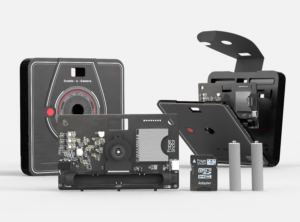
Sources_Papershoot (https://www.papershoot.com)
By reducing thickness and prioritizing simplicity, Paper Shoot allows users to carry it effortlessly anywhere. Its intuitive design makes photography more accessible, removing unnecessary complexity while maintaining ease of use.
Although technological advancements have led to many lightweight cameras, few are as thin as Paper Shoot, making it an intriguing choice for those curious about its real-world usability and performance.

Sources_Papershoot (https://www.papershoot.com)
Given its ultra-thin design, some may wonder whether Paper Shoot functions like a typical camera or if it is prone to damage. However, Paper Shoot is fully capable of capturing both photos and videos, just like a standard digital camera—except that it lacks a built-in flash, which can be added as an external accessory if needed.

Sources_Papershoot (https://www.papershoot.com)
One of its most distinctive features is the revival of the hand-crank mechanism, which enhances the user experience. The hand crank, reminiscent of film directors manually adjusting their cameras in the past, allows users to control video recording speed, enabling high-speed or slow-motion effects simply by turning the crank.
While the hand crank isn’t necessary for standard video recording, it adds a nostalgic, retro-inspired touch that appeals to users who appreciate vintage aesthetics and interactive design elements.
Today’s discussion on “Designing for Carbon Neutrality” has shown how many companies are developing products with carbon neutrality as a goal in response to climate change. Through this process, we have confirmed that design plays a crucial creative and strategic role in reducing carbon emissions by optimizing product development and design.
한국에 온 외국인 친구가 있나요? 메뉴 번역·택시 요금·약국 카드가 한 앱에 있는 K-OREA를 알려 주세요.
Visiting Korea? K-OREA puts menu scanning, taxi fare guidance and a pharmacy card in one app. Get it on the App Store.